On this Day In History
1822 Charles Graham of New York received a patent for artificial teeth.
1839 Famous Food Fights
The Great Pastry War ended this day. A brief conflict began on November 30, 1838, between Mexico and France caused by a French pastry cook who claimed that some Mexican Army soldiers had damaged his restaurant. The Mexican government refused to pay for damages. Several other countries had asked the Mexican government for similar claims in the past due to civil unrest in Mexico, without any resolution. France decided to do something about it, and sent a fleet to Veracruz and fired on the fortress outside the harbor. They occupied the city on April 16, 1838, and through the mediation of Great Britain were promised payment of 600,000 pesos for the damages. They withdrew on March 9, 1839.
Showing posts with label food facts. Show all posts
Showing posts with label food facts. Show all posts
Sunday, March 9, 2014

Thursday, March 6, 2014
Food of the Day *Ginger*
.jpg)
Ginger or ginger root is the rhizome of the plant Zingiber officinale, consumed as a delicacy, medicine, or spice. It lends its name to its genus and family (Zingiberaceae). Other notable members of this plant family are turmeric, cardamom, and galangal. The distantly related dicots in the Asarumgenus have the common name wild ginger because of their similar taste.
On This Day in Food History…
- 1899 Aspirin was patented by Felix Hoffman of the German company, Bayer. Aspirin was originally developed by Charles Frederic Gerhardt in 1853, but he never thought it important enough to patent.
- 1912 Nabisco debuts the Oreo cookie. The Oreo is considered largest selling cookie of all time.
- 1930 Retail frozen foods go on sale for the first time in Springfield, Massachusetts. Various fruits, vegetables, meat and fish were offered for sale. Clarence Birdseye had developed the method used to successfully freeze foods on a commercial scale.
Wednesday, February 26, 2014
Food of the Day *Corn*

Maize (/ˈmeɪz/ mayz; Zea mays subsp. mays, from Spanish: maíz after Taíno mahiz), known in some English-speaking countries as corn, is a largegrain plant domesticated by indigenous peoples in Mesoamerica in prehistoric times. The leafy stalk produces ears which contain the grain, which are seeds called kernels. Maize kernels are often used in cooking as a starch.
Most historians believe corn was domesticated in the Tehuacan Valley of Mexico.[1] The Olmec and Mayans cultivated it in numerous varieties throughout Mesoamerica, cooked, ground or processed through nixtamalization. Beginning about 2500 BC, the crop spread through much of theAmericas.[2] The region developed a trade network based on surplus and varieties of maize crops. After European contact with the Americas in the late 15th and early 16th centuries, explorers and traders carried maize back to Europe and introduced it to other countries. Maize spread to the rest of the world because of its ability to grow in diverse climates. Sugar-rich varieties called sweet corn are usually grown for human consumption, while field cornvarieties are used for animal feed and as chemical feedstocks.
Maize is the most widely grown grain crop throughout the Americas,[3] with 332 million metric tons grown annually in the United States alone. Approximately 40% of the crop — 130 million tons — is used for corn ethanol.[4] Genetically modified maize made up 85% of the maize planted in the United States in 2009.[5]
Tuesday, February 25, 2014
Food of the Day *Blueberry*
Blueberries are perennial flowering plants with indigo-colored berries from the section Cyanococcus within the genus Vaccinium (a genus that also includes cranberries and bilberries). Species in the section Cyanococcus are the most common[1] fruits sold as "blueberries" and are native to North America (commercially cultivated highbush blueberries were not introduced into Europe until the 1930s).[2]
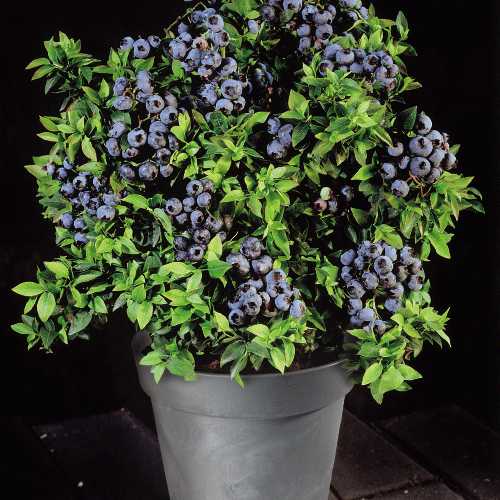

Blueberries are usually erect. Prostrate shrubs can vary in size from 10 centimeters (3.9 in) to 4 meters (13 ft) in height. In the commercial production of blueberries, the smaller species are known as "low-bush blueberries" (synonymous with "wild"), while the larger species are known as "high-bush blueberries".

The leaves can be either deciduous or evergreen, ovate to lanceolate, and 1–8 cm (0.39–3.15 in) long and 0.5–3.5 cm (0.20–1.38 in) broad. The flowersare bell-shaped, white, pale pink or red, sometimes tinged greenish. The fruit is a berry 5–16 millimeters (0.20–0.63 in) in diameter with a flared crown at the end; they are pale greenish at first, then reddish-purple, and finally dark purple when ripe. They are covered in a protective coating of powderyepicuticular wax, colloquially knows as the "bloom".[3] They have a sweet taste when mature, with variable acidity. Blueberry bushes typically bear fruit in the middle of the growing season: fruiting times are affected by local conditions such as altitude and latitude, so the height of the crop can vary from May to August depending upon these conditions.
Subscribe to:
Posts (Atom)